
Wondering how long your HVAC system should last? Learn the average lifespan of AC units, furnaces, and heat pumps, and the signs it’s time to replace.
Your HVAC system quietly keeps your home comfortable through sweltering St. Louis summers and bitter Midwest winters. But like any major piece of equipment, it won’t run forever. Knowing what to expect from your system’s lifespan — and watching for the warning signs — can save you from a costly emergency breakdown and help you plan a replacement on your own terms.
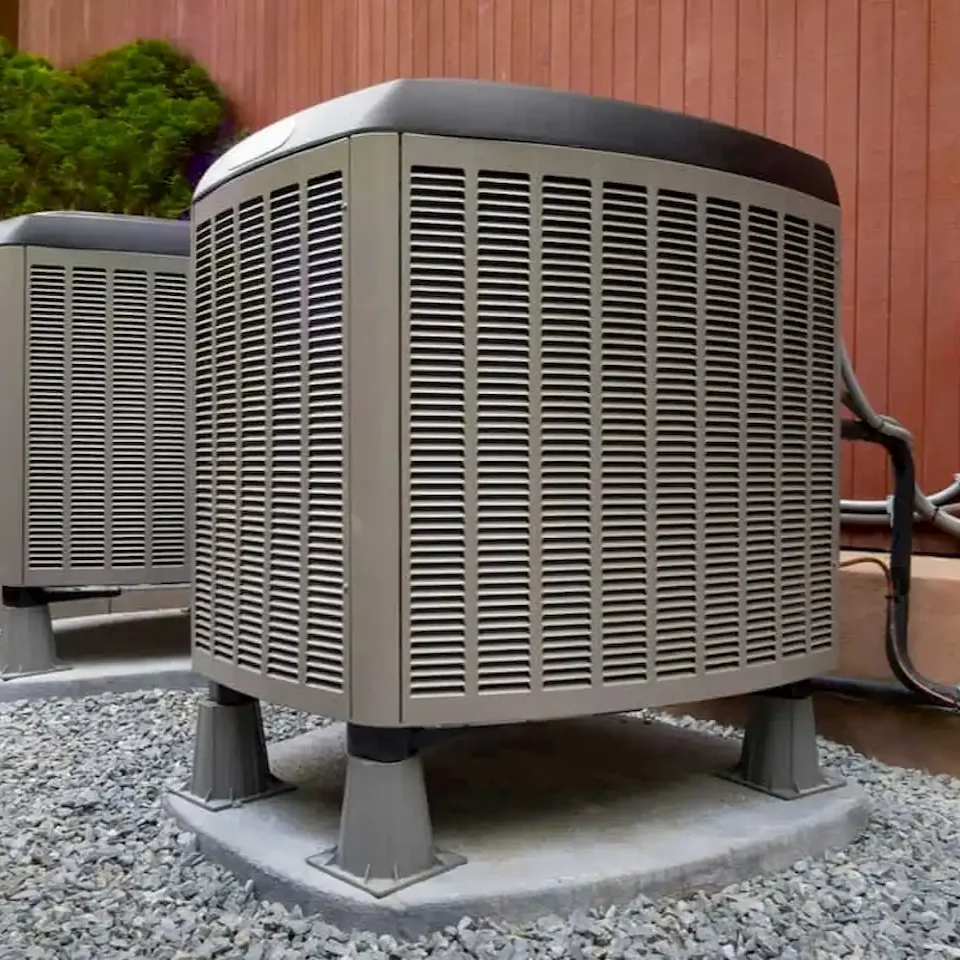
Average HVAC System Lifespans
Most HVAC equipment falls within these general ranges when properly maintained:
These are general benchmarks — your results will vary depending on equipment brand, how often you’ve had it serviced, and how hard your system has worked over the years. In St. Louis, where temperatures regularly push into the 90s in summer and dip below freezing in winter, systems tend to work harder than average. That puts a premium on regular maintenance.
Factors That Affect How Long Your System Lasts
Maintenance is the single biggest variable. A system that gets a professional tune-up every year — clean coils, checked refrigerant, calibrated thermostat, inspected electrical components — will consistently outlast a neglected one. Skipping maintenance doesn’t just shorten the life of your equipment; it raises your energy bills and increases the likelihood of breakdowns.
Installation quality matters too. A system that was sized correctly for your home, installed with proper airflow and refrigerant charge, and set up with quality ductwork will simply last longer. Shortcuts during installation often show up years later as chronic problems.
Usage patterns also play a role. A system that runs nonstop during extreme weather will accumulate wear faster than one in a milder climate. That’s not something you can control — but staying on top of maintenance helps offset it.
Signs Your HVAC System is Reaching the End of Its Life
Age alone isn’t always the deciding factor. Watch for these signals that your system may be approaching replacement territory:
Frequent repairs — especially if you’ve had the same technician out multiple times in a season — are often a sign that components are failing across the board. At some point, the repair cost no longer makes sense compared to the cost of a new system. A common rule of thumb: if a repair costs more than half the value of the system, replacement is usually the smarter move.
Rising energy bills without a clear explanation often mean your system is losing efficiency. As equipment ages, it has to work harder to deliver the same output, and that shows up in your monthly costs.
Uneven heating or cooling, strange noises, or a system that short-cycles — turning on and off more frequently than normal — can all indicate that your equipment is struggling. These symptoms aren’t always terminal, but they’re worth having a professional evaluate.
When to Call For an Assessment
If your system is 12 years old or older, it’s worth scheduling a professional evaluation — even if it seems to be running fine. A technician can give you an honest picture of where the equipment stands and whether deferred maintenance or aging components are putting you at risk heading into peak season. That conversation is far better to have in April than at 9 p.m. on the hottest day in July.
Thomas Hoffmann Air Conditioning & Heating has been serving St. Louis homeowners for decades. If you’re not sure what condition your system is in — or you’ve been putting off that conversation — give us a call. We’ll give you a straight answer.
Not Sure What Shape Your System is in?
Call Thomas Hoffmann Air Conditioning & Heating at (314) 471-7625 or fill out our online contact form, and we’ll look into it for you.
Frequently Asked Questions
How do I know how old my HVAC system is?
Check the data plate on the outdoor condenser unit or furnace — it will list the manufacture date. If you can’t locate it, a technician can look up the serial number during a service call. Knowing the age of your equipment is one of the first things we check when evaluating a system’s condition.
Is it worth repairing an older HVAC system?
It depends on the repair cost, the age of the system, and its overall condition. If your system is under 10 years old and the repair is straightforward, it usually makes sense to fix it. If it’s 15 or more years old and you’re looking at a major repair — compressor, heat exchanger, or control board — replacement is often the more cost-effective path. We’ll always walk you through the numbers so you can make an informed decision.
How can I extend the life of my HVAC system?
Annual maintenance is the most important thing you can do. Have your AC tuned up in the spring and your furnace checked in the fall. Change your air filter every 1–3 months depending on usage. Keep the area around your outdoor unit clear of debris. And don’t ignore small problems — a minor issue caught early is almost always cheaper to fix than one that’s been running unaddressed for a season.
1 thought on “How Long Does an HVAC System Last? What Homeowners Should Know”