
Call Thomas Hoffmann Air Conditioning & Heating or request service online — your trusted, locally owned St. Louis HVAC team.
When a St. Louis summer hits and your air conditioner is running but the house just won’t cool down, it’s frustrating — and it usually means something specific is wrong. The good news is that most cooling problems come down to a handful of common causes, and a trained technician can pinpoint them quickly.
At Thomas Hoffmann Air Conditioning & Heating, we’re a locally owned St. Louis HVAC company, and diagnosing why an AC isn’t cooling is one of the most common calls we get.
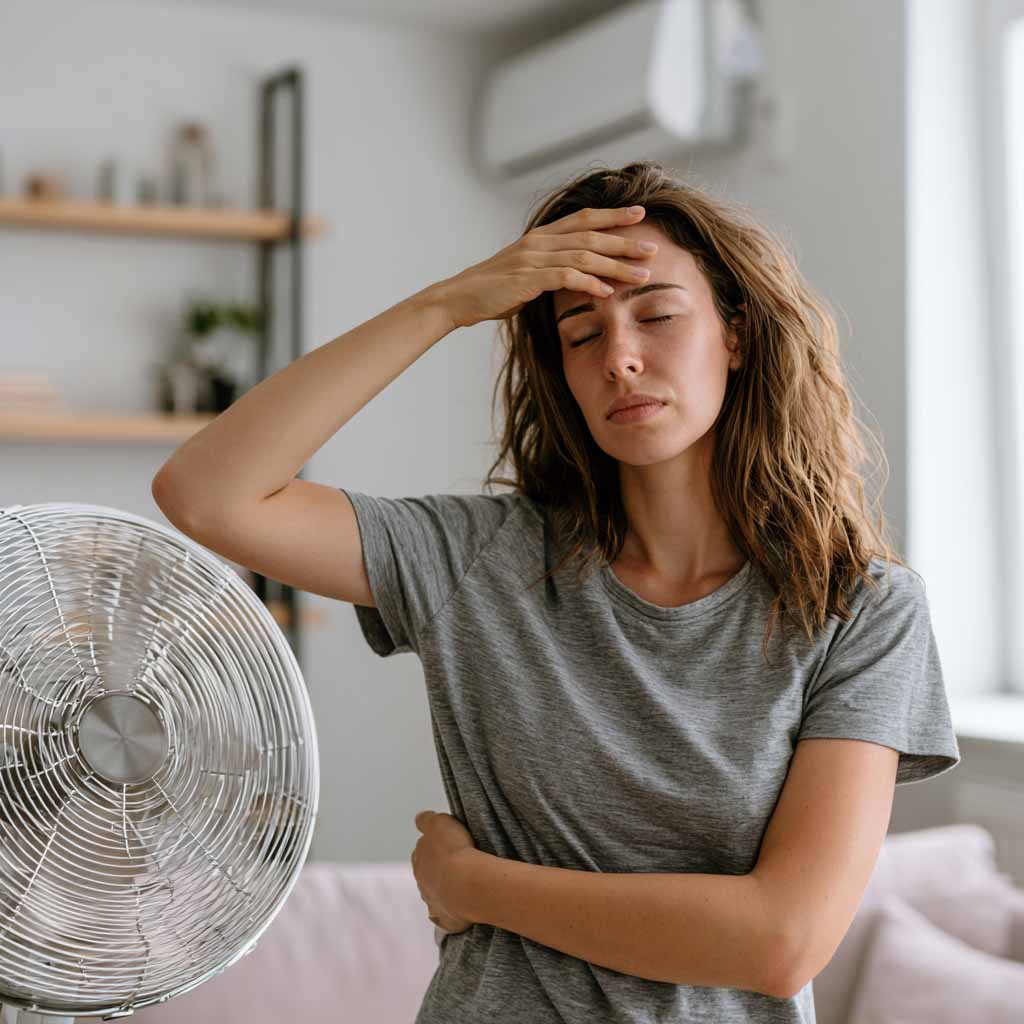
Common Reasons an AC Stops Cooling
1. A Dirty or Clogged Air Filter – This is the most common culprit, and the easiest to overlook. A clogged filter restricts airflow through your system, reducing cooling and potentially causing the indoor coil to freeze. If you can’t remember when you last changed your filter, start there.
2. Low Refrigerant or a Leak – Your AC doesn’t “use up” refrigerant — if the level is low, there’s a leak somewhere. Low refrigerant means the system can’t remove heat from your home, so it runs constantly without cooling. This needs a professional to locate, repair, and recharge correctly.
3. A Frozen Evaporator Coil – If you see ice on the indoor unit or the lines, your coil has frozen — often because of restricted airflow or low refrigerant. The system must be shut off and thawed before it can be properly diagnosed.
4. A Failing Compressor or Capacitor – The compressor is the heart of your AC. If it’s struggling, or if a capacitor that helps it start has failed, the outdoor unit may hum, trip the breaker, or run without producing cold air.
5. Thermostat or Electrical Issues – Sometimes the unit itself is fine, and the problem is a miscalibrated thermostat, a tripped breaker, or a wiring fault. We always rule these out before assuming a larger repair is needed.
6. A Dirty Outdoor Condenser Unit – The outdoor unit releases the heat pulled from your home. When it’s caked in dirt, grass clippings, or debris, it can’t shed heat efficiently — and your home stays warm.
How We Diagnose the Problem
When you call us out, we don’t guess. Here’s what a typical diagnostic visit looks like:
- We listen first. What’s the home doing? When did it start? Any unusual sounds or smells? Your description narrows things down fast.
- We check airflow and filters. A quick check rules out the simplest causes before moving on.
- We inspect the indoor and outdoor units. We look for ice, dirt buildup, and signs of wear on the coil and condenser.
- We test refrigerant pressures. This tells us whether the charge is correct or whether there’s a leak to track down.
- We test electrical components. Capacitors, contactors, and the compressor get checked under load to confirm they’re working.
- We explain what we find. Before any repair, we walk you through what’s wrong, your options, and the cost.
That last step matters. As a local company, our goal is a system you can trust — not a surprise bill.
When It’s a Repair vs. a Replacement
Most cooling problems are straightforward repairs. But if your system is older, has a major component failure like a dead compressor, or has needed repeated repairs, we’ll give you an honest comparison so you can decide whether repair or replacement makes more sense for your home. We’ll never push you toward a new system you don’t need.