
Don’t let something as simple as a dirty air filter reduce your comfort or drive up your bills. Call us today to keep your HVAC system clean.
Changing the air filter is one of the simplest yet most important maintenance tasks for your home’s HVAC system. But despite how easy it is, it’s also one of the most commonly overlooked. A dirty air filter doesn’t just affect your air quality—it can lead to higher energy bills, poor performance, and costly repairs.
If you’re a homeowner in St. Louis or surrounding areas like Ballwin, Kirkwood, or O’Fallon, this guide will help you spot the warning signs of a dirty filter and show you how to fix the problem fast.
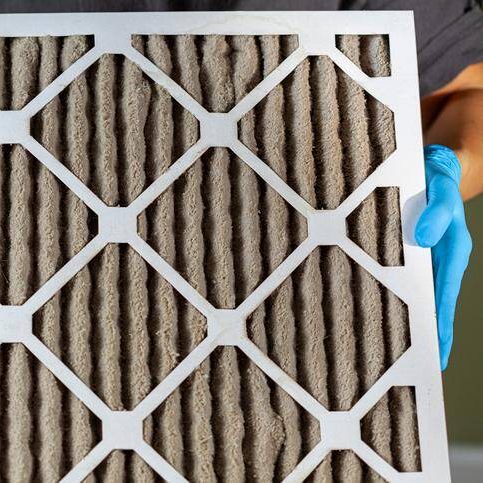
Why Air Filters Matter
Your HVAC filter is the first line of defense for your heating and cooling system. It traps:
- Dust
- Pet dander
- Pollen
- Mold spores
- Other airborne pollutants
When the filter becomes clogged, it restricts airflow and causes your system to work harder, leading to a chain reaction of problems—from decreased indoor air quality to system breakdowns.
Top Warning Signs of a Dirty Air Filter
1. Reduced Airflow
If your system seems to be blowing less air than usual, a clogged filter may be the culprit. Reduced airflow indicates that your HVAC struggles to circulate air through the dirty filter.
2. Hot or Cold Spots in the Home
Uneven temperatures between rooms often indicate that the HVAC system isn’t circulating air efficiently, frequently due to filter blockage.
3. Unexplained Increase in Energy Bills
Dirty filters force your system to run longer to reach the desired temperature. Over time, this leads to increased energy usage and higher utility bills, especially during St. Louis’s hot summers and frigid winters.

4. More Dust Around the House
Are you dusting more than usual? A clogged air filter can’t effectively trap particles, allowing dust to circulate and settle on your furniture and floors.
5. Musty or Stale Odors
When the filter is dirty, moisture and debris can create a breeding ground for bacteria or mold, leading to unpleasant smells whenever the system is on.
6. Frequent HVAC Cycling
Short cycling—when your system turns on and off frequently—can indicate that restricted airflow affects your system’s ability to maintain consistent temperatures.
7. System Overheating or Freezing Up
In extreme cases, restricted airflow can cause your furnace to overheat or your AC coils to freeze, leading to costly repairs or even full system shutdowns.
How Often Should You Replace Your Air Filter?
There’s no one-size-fits-all answer, but here are general guidelines for St. Louis homeowners:
| Home Type or Condition | Filter Replacement Frequency |
|---|---|
| Standard home, no pets | Every 90 days |
| One pet | Every 60 days |
| Multiple pets or allergies | Every 30–45 days |
| Smoking indoors | Every 30 days |
| High allergy season (spring/fall in STL) | Every 30–45 days |
How to Check If Your Filter Is Dirty
- Turn off your HVAC system for safety.
- Locate and remove the filter (usually behind a return vent or inside the furnace).
- Hold it up to a light source. If you can’t see light through it, it’s time to replace it.
The Long-Term Costs of Ignoring a Dirty Filter
Neglecting your air filter may seem minor, but it can lead to:
- Reduced system lifespan
- More frequent breakdowns
- Poor indoor air quality
- Increased energy bills
- More allergens and contaminants in the home
Need Help Changing Your Filter or Improving Air Quality?
Don’t let something as simple as a dirty air filter reduce your comfort or drive up your bills. Whether you’re due for seasonal maintenance or need help picking the right filter, Thomas Hoffmann Air Conditioning & Heating is here to help.
👉 Call us today or schedule an appointment online to keep your HVAC system clean, efficient, and built to last.
24/7 Service Call Now
At Thomas Hoffmann Air Conditioning & Heating, we pride ourselves on being a locally owned and operated HVAC company. With more than 30 years of experience and a master technician and mechanical engineer as our owner, we can replace, repair, and maintain your business or home’s HVAC system.
2 thoughts on “Dirty Air Filter Warning Signs and Solutions”