
Seasonal allergies in St. Louis? Your HVAC system might be making symptoms worse. Learn the signs and how to improve indoor air.
A poorly maintained or outdated HVAC system can circulate dust, pollen, pet dander, mold spores, and other airborne allergens throughout your home. In this post, we’ll walk through the key signs that your HVAC system is aggravating allergies, why it happens, and how you can take action to create a cleaner, healthier home environment.
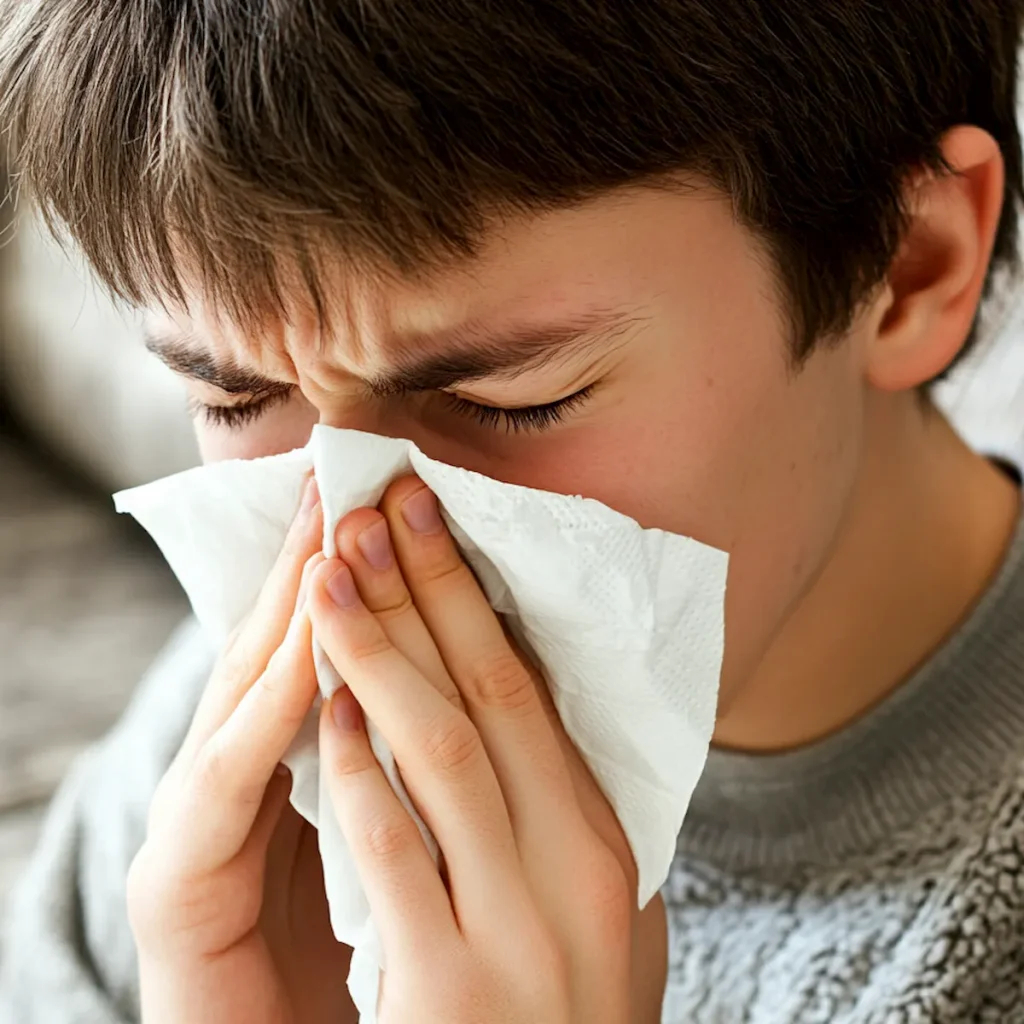
1. You’re Experiencing Allergy Symptoms Indoors — All Year Long
If you notice that allergy symptoms persist regardless of the season, your indoor air quality may be the culprit. Common indoor allergy symptoms include:
- Sneezing
- Runny or stuffy nose
- Itchy eyes or throat
- Skin irritation
- Frequent headaches
Your HVAC system could recirculate airborne irritants like dust mites, mold, or dander. Without proper filtration and regular maintenance, allergens can thrive inside your home and your ductwork.
2. You Notice Excessive Dust Around Vents and Furniture
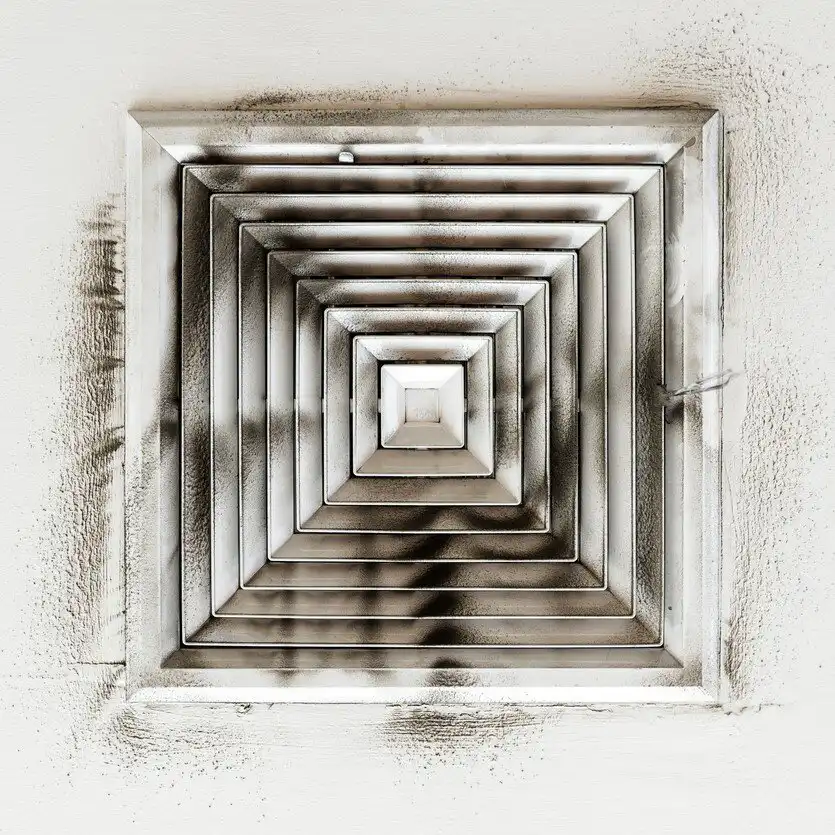
A telltale sign of a compromised HVAC system is a noticeable layer of dust, especially near air vents. If dust builds up quickly after cleaning, your system may not filter the air effectively. This can happen if:
- Your HVAC filter is clogged or of too low quality (e.g., low MERV rating)
- Your ductwork is dirty or leaking
- Your air returns are pulling in unfiltered air from dusty areas like attics or crawl spaces
This dust isn’t just a nuisance — it’s a vehicle for allergens like pet dander and pollen to circulate through your home.
3. Your Air Filter Is Dirty (or You Can’t Remember the Last Time You Changed It)
Your HVAC filter is your home’s first line of defense against allergens. But if it’s clogged or outdated, it can no longer effectively trap particles. It can restrict airflow, forcing your system to work harder and potentially blowing allergens into your home.
We recommend St. Louis homeowners:
- Change filters every 1–3 months
4. A Musty or Moldy Smell is Coming from the Vents
If your HVAC system smells musty, it could indicate mold growth inside the ductwork, air handler, or evaporator coils — all of which can significantly worsen respiratory symptoms.
Mold thrives in humid environments, which is common in St. Louis, especially in spring and summer. Your HVAC system may be contributing to this problem if:
- The condensate drain line is clogged
- There’s excess moisture in your ductwork
- Your home lacks proper dehumidification
A professional inspection can help detect and remove mold sources before they become a health hazard.
5. You Hear Unusual Noises or Your System Runs Constantly
An overworked or aging HVAC system may struggle to regulate temperature and humidity, creating ideal conditions for allergens to flourish. If your system runs nonstop or makes banging, rattling, or squealing sounds, it may not distribute air evenly or filter it effectively.
This can result in stale, poorly ventilated indoor air that traps allergens instead of removing them.
6. Your Humidity Levels Are Out of Balance
Humidity plays a major role in indoor air quality:
- Too much moisture (>60%) can fuel mold, mildew, and dust mites.
- Too little humidity (<30%) can dry out mucous membranes and worsen allergic reactions.
In St. Louis, homes often swing between humid summers and dry winters. Your HVAC system should help regulate indoor humidity, but if it doesn’t, consider a whole-home humidifier or dehumidifier.
7. You Haven’t Had Your Ducts Cleaned in Years (or Ever)
Over time, your ductwork can become a hidden hotspot for dust, mold, pollen, and even insect debris. Your system can blow those allergens back into your living spaces every time it runs.
If it’s been years (or decades) since your ducts were cleaned, you may benefit from a professional duct cleaning, especially if:
- You have pets
- You’ve recently renovated
- You’ve moved into an older home
How to Allergy-Proof Your HVAC System
The good news? You don’t have to live with allergy-aggravating air. Here are simple yet powerful steps you can take:
- Upgrade your air filter to at least MERV 11.
- Schedule seasonal HVAC maintenance (spring and fall are ideal).
- Install a whole-home air purifier or UV air scrubber.
- Seal and clean your ductwork to eliminate hidden allergen sources.
- Balance your humidity levels with a humidifier or dehumidifier.
- Keep your home well-ventilated, especially bathrooms and kitchens.
Trust the Local Indoor Air Quality Experts in St. Louis
At Thomas Hoffmann Air Conditioning & Heating, we’ve helped hundreds of St. Louis families improve their home’s air quality and reduce allergy triggers, boosting energy efficiency and comfort. Whether you need a filter upgrade, duct cleaning, or a full IAQ solution, our licensed technicians are here to help.

Breathe Easier. Live Better.
Contact us today to schedule a free indoor air quality consultation. With local expertise you can trust, we can create a healthier, allergen-free home together.
2 thoughts on “Signs Your HVAC System Is Aggravating Allergies”