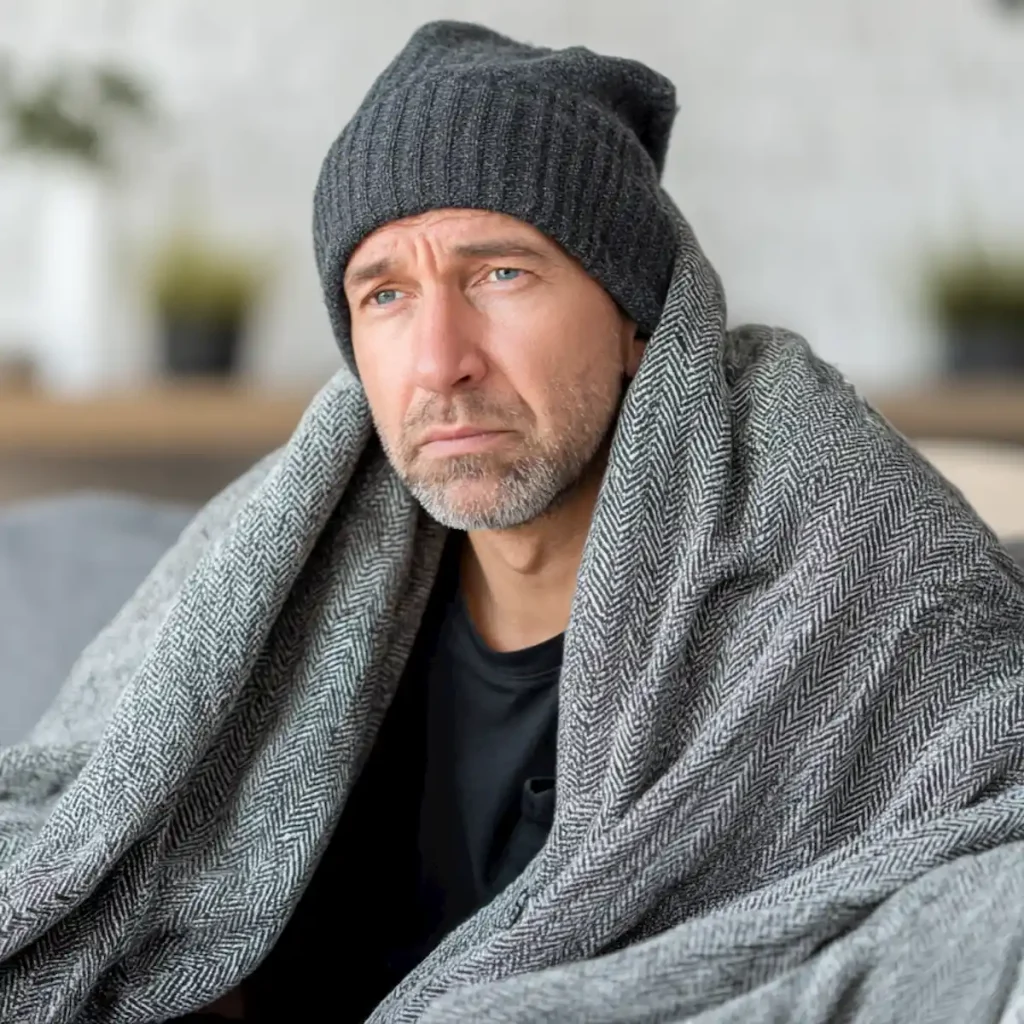
St. Louis winters often bring sudden temperature swings, which is when these issues are most common. Furnaces not serviced properly can struggle.
When the temperature drops suddenly, your furnace should respond by turning on and keeping your home comfortable. But if your furnace fails to start when it gets colder outside, it’s often a sign that something isn’t working properly.
This is a common issue for St. Louis homeowners—especially during cold snaps when furnaces are pushed harder than usual.
Giovanni was very professional, helpful, patient and helped me figure out the issue, if it was covered under warranty, and next steps. Great overall experience and much appreciated.
Response from the owner:Thank you, Amy! We're glad to hear that Giovanni provided you with such professional and helpful service. Your appreciation means a lot to us!
Always professional and thorough whenever they service our home. We have used Thomas Hoffmann Air Conditioning & Heating multiple times since we moved into our home and will continue to use them in the future.
Response from the owner:Thank you for the thoughtful review, Joe. We appreciate you and your business!
0 stars if I could. Bought a faulty (not to mention overpriced) surface igniter, called back five minutes later after installing, of course they didn’t stand behind their part. Go to Grainger instead. Same (working) part, half the price.
Response from the owner:Hi there. I am unable to locate your customer profile. Please give our office a call at 314-471-7625 so we can get this figured out for you.
From the phone to the completion of the job everyone is so polite and informative. I had Giovani as our representative and he was very informative and professional, and knew exactly what the problem was. Thanks so much.
Response from the owner:Thank you for the kind review, Frank! We appreciate you and your business.
My furnace was not working. A very nice gentleman came out this morning and fixed the problem and now I have much needed heat. He was very professional and courteous. I will definitely be using them again when the need arises.
Response from the owner:Thank you for the positive feedback! We're glad to hear that you were pleased with our prompt and friendly service. We look forward to assisting you again in the future!
I will always call Hoffmans for my air and heat needs. They were out to my daughters house that day and fixed it. It was right before the weekend storm with below zero temps the next day. They saved my daughter and grandbabies. I could never thank them more.
Response from the owner:We are so happy to hear that we could help! Thank you for the kind review.
Snow and drifting snow covered intake and out take vents causing the furnace emergency to shut off furnace. Cleaned off the driftibg/ snow off roof and vents furnace works perfect now. Thank you and great job Nick.
Response from the owner:Thanks for the great review, Scott! We appreciate your support.
5 stars! Nick was here to fix my heater within 2 hours of my call. He explained the problem to me thoroughly and got the job done quickly & professionally. Thank you so much!
Response from the owner:Thank you for the kind review, Jennifer! Glad we could help.
Extremely thorough and educational. They do a wonderful job of explaining everything and making sure I was comfortable knowing how the systems worked in my house!
Response from the owner:Thanks for the great review, Matthew! We appreciate your support.
I noticed a strange noise that I was concerned was linked to my furnace. I called Thomas Hoffman Heating & Cooling and Nick came right out. He was very thorough checking all components. Thankfully all checked out for us this visit. Definitely recommend Thomas Hoffman Heating & Cooling!
Response from the owner:Thank you so much for the kind review, Abby! We appreciate your business and look forward to servicing you in the future.
Thomas Hoffman is a wonderful company to work with. Techs are knowledgeable, personable & efficient.
Response from the owner:Thank you, Christine, for your kind words about our team; we appreciate your feedback and are glad to hear you had a positive experience!
Got a quote over the phone. Everything was explained thoroughly. Dakota, my technician arrived and on time, was very professional and knowledgeable. He didn’t try to upsell or change anything. He did a great job. We can already tell the difference since the ducts and vents were cleaned. Would recommend an use Hoffman again in the future.
Response from the owner:Happy to hear you had a pleasant experience using Thomas Hoffmann!
The technician, Ryan, was knowledgeable and helpful in identifying the issue with our mini split AC unit. They are the second company we called after issues with the first and will be using Hoffmann again.
Response from the owner:We are so happy to hear your experience with Thomas Hoffmann was pleasant. Thank you for your kind review, & we look forward to working with you in the future!
woke up to a very cold house, called Thomas Hoffmann, they were able to come out a couple of hours later and get the issue resolved. Always trust them, they have always been quick to respond and get either the heating or ac issue fixed that day. Also a great price!!!! give them 10 stars if i could, Thank You JS
Response from the owner:Thank you for the kind review, Jim. We are happy to hear that you had a positive experience working with Thomas Hoffmann!
Response from the owner:Thank you, Hank, for your wonderful feedback; we're glad you enjoyed the fast, friendly, and professional service, and we'll be sure to keep up the great work!
The technician Giovanni was excellent and on time very professional and efficient and knowledgeable of the project at hand ,gave great advice but most of all did great work 👏 thank you .
Response from the owner:We are so happy to hear you had a great experience, Sam! Thank you for the review, and thank you for your business.
Your service technician was very professional and knowledgeable. And did not appear to try to give me bogus information. I truly appreciate his honesty because several other companies did not appear to be honest, obviously wasn’t honest, my gut feeling told me they were not honest and tried to get me to spend $10,000 for a problem that was much simpler to fix. I look forward to you servicing all my properties, and possibly those of the rest of my family.
Response from the owner:Thank you so much for the kind words and great review! We appreciate your support.
Very prompt, communication was great, and the workers were very polite. I highly recommend them!
Response from the owner:Thank you, Lianne! We're glad to hear that you had a positive experience with our team and appreciate your high recommendation.
Water heater repaired, appointment done the same day, effective, courteous
Response from the owner:Thank you, Leticia! We appreciate your kind words and are glad to hear that the water heater was repaired promptly and effectively. Your satisfaction means a lot to us!
The service tech Giovanni did a fantastic job. Our gas fireplace is working like new again so we’re ready for the cold weather!
Response from the owner:Thank you, Mr, for your fantastic review! We're glad to hear Giovanni provided you with excellent service and professionalism. Your recommendation means a lot to us!
Why Temperature Drops Trigger Furnace Problems
A furnace that struggles or fails when temperatures drop usually isn’t reacting to the weather itself—it’s reacting to increased demand. When it gets colder:
Your furnace runs longer cycles
Safety components are tested more frequently
Airflow and exhaust systems are under higher stress
Small issues that went unnoticed in mild weather become major problems
Common Reasons Your Furnace Won’t Turn On When It Gets Cold
1. Dirty or Clogged Furnace Filter
One of the most common—and most overlooked—causes. When the filter is clogged:
Airflow is restricted
The furnace overheats
Safety switches shut the system down to prevent damage
What to check: If your filter appears dirty or hasn’t been changed in 1–3 months, replace it and then restart the system.
2. Furnace Limit Switch Tripping
The limit switch protects your furnace from overheating. During extended run times in cold weather, it can trip if:
Airflow is restricted
Internal components overheat
The furnace is aging or worn
Once tripped, the furnace may refuse to restart until it cools—or it may repeatedly shut down.
3. Thermostat Issues During Cold Weather
Cold snaps can expose thermostat problems, such as:
Poor calibration
Weak batteries
Placement near drafts or exterior walls
Faulty wiring
If the thermostat believes your home is warmer than it actually is, it may not send the signal to turn on the heat.
What to check:
Replace thermostat batteries
Make sure it’s set to “heat.”
Increase the temperature setting by several degrees to test the response
4. Electrical or Control Board Issues
As furnaces age, electrical components become less reliable. Cold weather can expose:
Weak connections
Failing control boards
Sensors operating out of tolerance
These problems often appear suddenly during a temperature drop.
5. Pressure Switch or Venting Problems
Your furnace must safely vent exhaust gases outside. Cold weather can cause:
Ice buildup in the intake or exhaust pipes
Snow blockage
Condensation freezing inside vent lines
What You Can Safely Check Before Calling for Furnace Repair
Before calling an HVAC professional, homeowners can safely:
Replace the furnace filter
Check thermostat settings and batteries
Make sure circuit breakers haven’t tripped
Ensure intake and exhaust pipes are clear of snow or debris
When to Call a Professional Furnace Technician
You should schedule furnace repair if:
The furnace won’t turn on at all
The system shuts down repeatedly during cold weather
You hear unusual noises or smell burning odors
The thermostat calls for heat, but nothing happens
Furnace Problems During St. Louis Cold Snaps
St. Louis winters often bring sudden temperature swings, which is when these issues are most common. Furnaces that haven’t been serviced recently are especially vulnerable when overnight lows drop quickly. Regular maintenance helps catch airflow issues, failing parts, and drainage problemsbefore cold weather exposes them.
At Thomas Hoffmann Air Conditioning & Heating, we pride ourselves on being a locally owned and operated HVAC company. With more than 30 years of experience and a master technician and mechanical engineer as our owner, we can replace, repair, and maintain your business or home’s HVAC system.