
If your heater is making you uncomfortable, it’s time to call in the experts. Contact us today to schedule an appointment.
When winter temperatures drop and heaters fire up, many people notice an unexpected side effect: a stuffy nose. If you’ve ever wondered why your nasal passages feel clogged the moment your furnace kicks on, you’re not alone. At Thomas Hoffmann Air Conditioning & Heating, we frequently hear this question from St. Louis homeowners. Let’s break down the reasons behind this all-too-common experience — and what you can do to fix it.

Dry Air is the Biggest Culprit
Heated indoor air is notoriously dry. As your heating system warms your home, it often reduces the humidity to levels far below what’s comfortable for your body. The dry air strips moisture from your nasal passages, causing them to dry out, become irritated, and swell slightly, leading to that classic “stuffy” sensation.
Ideal indoor humidity levels range from 30% to 50%. Anything lower can make breathing uncomfortable and even contribute to nosebleeds.
Dust, Dander, and Allergens in the Air
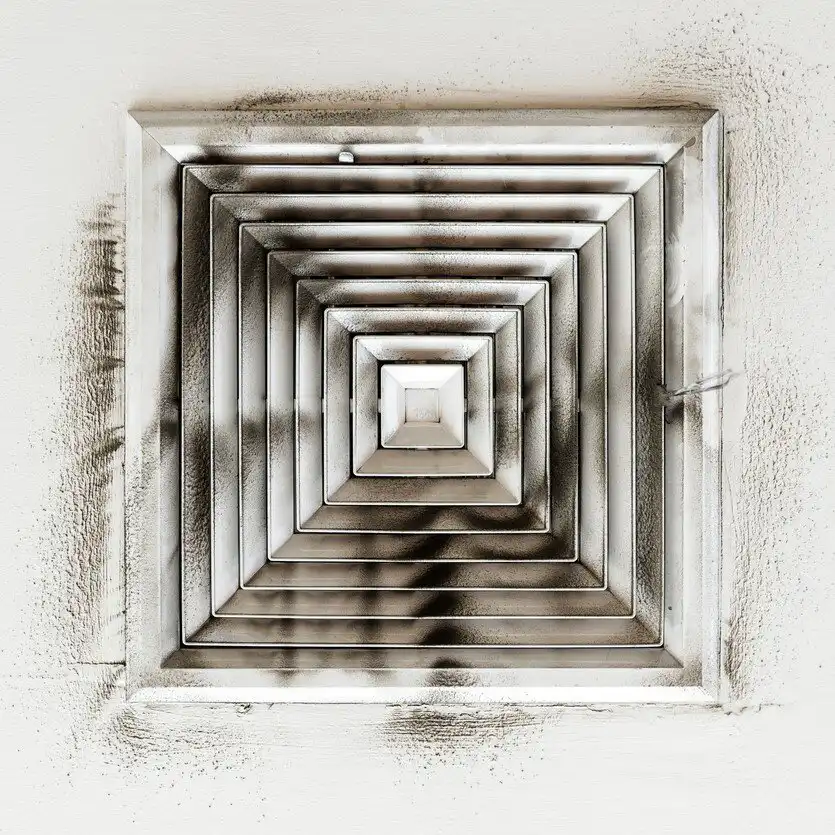
When your HVAC system turns on, it circulates air throughout your home, and with it, any dust, pet dander, or other allergens that may be lurking in your ducts or filters. If your system hasn’t been cleaned or maintained recently, you’re essentially breathing in irritants every time the heat runs, which can inflame your nasal passages.
Solution: Regularly replace your HVAC filters (every 1-3 months, depending on your home’s usage) and consider investing in high-quality HEPA filters or air purification systems to reduce airborne particles.
Mold and Mildew Exposure
Although less common, if your HVAC system harbors moisture or has poor ventilation, mold or mildew can develop inside ductwork or around coils. Mold spores are potent allergens and can trigger nasal congestion, sneezing, and other respiratory symptoms.
Red Flag: If your stuffy nose is accompanied by a musty smell when the heater is running, it’s time for a professional HVAC inspection.
Sensitivity to Temperature Changes
Some people’s sinuses are sensitive to rapid changes in temperature. Breathing in warm air after exposure to cold air outside can cause the blood vessels in the nose to expand, leading to congestion. This is a natural reaction, but it can feel uncomfortable when it happens repeatedly.
Tip: Gradually warm up your living spaces when possible. Consider wearing a scarf over your nose when transitioning from outdoors to indoors in winter.
How to Breathe Easier This Winter
At Thomas Hoffmann Air Conditioning & Heating, we believe a comfortable home is a healthy home. Here are our top recommendations for reducing winter stuffiness:
- Add moisture: Install a whole-home humidifier or use portable humidifiers.
- Keep it clean: Replace air filters regularly and schedule annual HVAC maintenance.
- Purify the air: Consider air scrubbers, UV lights, or HEPA filtration systems.
- Ventilate properly: Ensure your home has adequate ventilation to avoid stale air buildup.
We’re Here to Help
If your heater is making you uncomfortable, it’s time to call in the experts. Our locally owned team specializes in HVAC solutions that improve both comfort and air quality across the St. Louis metro area. From humidifier installations to indoor air quality assessments, Thomas Hoffmann Air Conditioning & Heating has you covered.