
Is your HVAC system making loud or strange noises? What strange HVAC sounds mean and when to call a St. Louis expert.
If your HVAC system is making more noise than usual, it’s trying to tell you something—and it’s not just complaining about the St. Louis humidity. Whether it’s a rattle, hum, bang, or buzz, loud HVAC noises can signal anything from minor to serious mechanical problems.
Don’t tune it out! Recognizing the sounds and their causes can prevent costly repairs, extend the life of your system, and keep your home safe and comfortable.
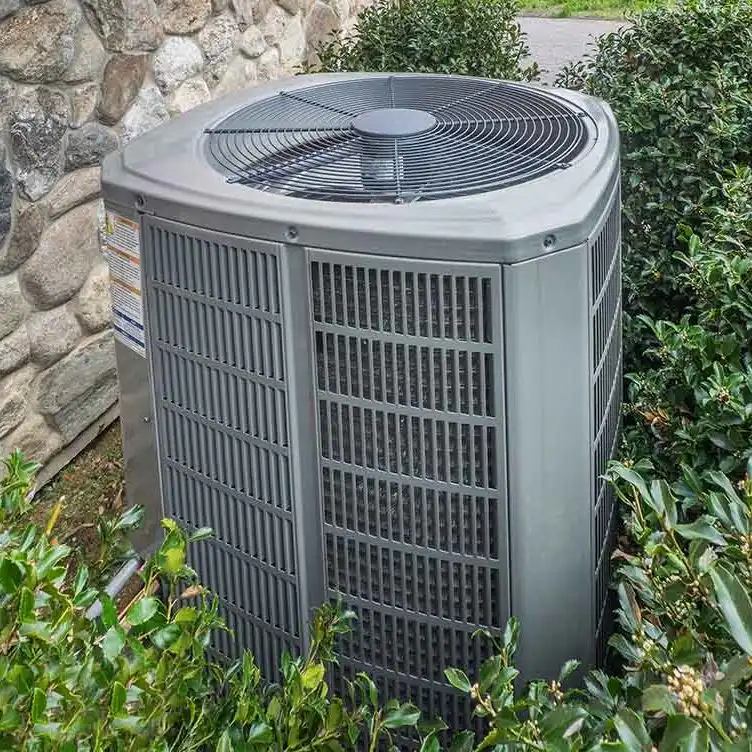
Is It Normal for HVAC Systems to Make Noise?
Some low-level noise is normal, like the soft hum of the blower fan or a brief click when the system turns on. But sudden, loud, or persistent noises usually indicate a problem.
Common causes include:
- Loose parts
- Poor maintenance
- Dirty filters or coils
- Failing motors or compressors
- Ductwork issues
Let’s break it down by noise type.
1. Banging or Clanking
🔊 What it sounds like: Metal-on-metal hitting or thudding
⚠️ Likely cause: A loose or broken part banging inside the unit, like a connecting rod, piston, or blower motor component.
Why it matters: This can cause severe internal damage if ignored.
🛠️ What to do: Shut off your system and call a technician immediately.
2. Buzzing or Humming
🔊 What it sounds like: A steady, electrical-sounding hum or buzz
⚠️ Likely causes:
- Electrical issues (loose wiring or failing capacitor)
- Faulty contactor relay
- Debris near the outdoor unit
Why it matters: Buzzing could indicate a potential fire risk or a failing electrical component.
🛠️ What to do: This is best left to a certified HVAC technician—don’t try to fix electrical parts yourself.
3. Screeching or Squealing
🔊 What it sounds like: High-pitched, piercing screech
⚠️ Likely cause: A worn or misaligned blower motor belt, or dry motor bearings.
Why it matters: These parts can fail, leaving you without AC or heat when needed.
🛠️ What to do: Schedule a repair before the belt breaks or the motor seizes.
4. Rattling
🔊 What it sounds like: Loose change in a clothes dryer
⚠️ Likely causes:
- Loose bolts or screws
- A failing fan motor
- Debris inside the unit or ductwork
Why it matters: A small loose part can become a big repair bill if it damages critical components.
🛠️ What to do: Check for visible debris if the sound is coming from your outdoor unit. Otherwise, call a technician to tighten and inspect components.
5. Whistling
🔊 What it sounds like: Wind blowing through a narrow gap
⚠️ Likely cause: Airflow restriction due to a clogged air filter, closed vent, or duct leak.
Why it matters: Reduces efficiency and increases strain on your system.
🛠️ What to do: Change your filter first. If that doesn’t help, inspect your ductwork for leaks or obstructions.
6. Popping or Cracking
🔊 What it sounds like: Sharp, brief pops—especially at startup
⚠️ Likely cause: Ductwork expanding or contracting due to temperature changes.
Why it matters: Usually harmless, but frequent or loud popping could indicate undersized or poorly insulated ducts.
🛠️ What to do: If ductwork becomes a nuisance, a ductwork inspection can help improve airflow and noise reduction.
7. Clicking
🔊 What it sounds like: Repetitive clicking during startup or shutdown
⚠️ Likely causes:
- Relay issues
- Faulty thermostat
- Failing control board
Why it matters: Persistent clicking may prevent your system from starting properly and could indicate an electrical problem.
🛠️ What to do: Don’t wait—electrical issues can escalate quickly.
Hear Something Strange? Let’s Check It Out.
You don’t have to live with a noisy HVAC system. Whether you need a simple repair, a filter replacement, or a complete system evaluation, we’re just a call or click away.
👉 Schedule your HVAC noise inspection today with Thomas Hoffmann Air Conditioning & Heating.
24/7 Service Call Now
At Thomas Hoffmann Air Conditioning & Heating, we pride ourselves on being a locally owned and operated HVAC company. With more than 30 years of experience and a master technician and mechanical engineer as our owner, we can replace, repair, and maintain your business or home’s HVAC system.