Heat or AC out at night in St. Louis? Safety steps, quick checks, what counts as an emergency, and how to stay comfortable until help arrives.
Heating and cooling systems rarely fail at a convenient hour. A furnace that stops on a January night or an AC that quits during a July heat wave can turn uncomfortable fast. Knowing what to check, what is truly urgent, and how to stay safe can make the wait much easier.
Safety First: When to Leave or Call 911
Some situations come before any troubleshooting:
- You smell gas (rotten eggs). Leave the house right away. Do not flip light switches, use the garage door opener, or start a car in the garage.
- Your carbon monoxide alarm sounds. Get everyone, including pets, outside into fresh air and call 911. Do not go back in until responders say it is safe.
- You smell burning or see smoke. Turn the system off at the thermostat and at the breaker. If there is smoke or flame, leave and call 911.
- Water is pooling near electrical parts. Shut the system off at the breaker before you get close.
Once the immediate danger is handled, call us to inspect the equipment before it runs again.
Quick Checks Before You Call
If there is no safety concern, a few simple checks may get you running again:
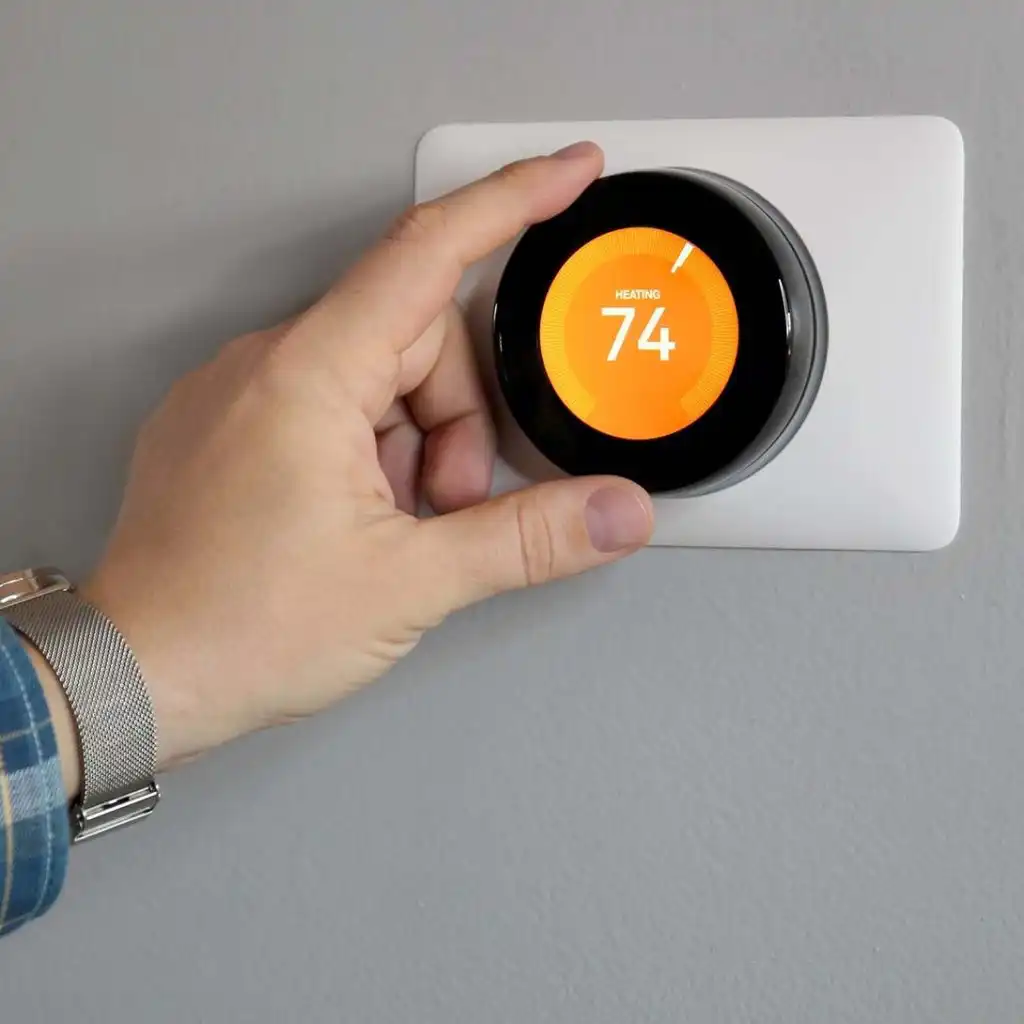
- Thermostat. Confirm that it is set to Heat or Cool, that the set temperature is above or below room temperature, and that the screen is not blank. Replace the batteries if it uses them.
- Breakers. Check the furnace or air handler breaker and the outdoor AC breaker. Reset a tripped breaker once. If it trips again, leave it off and call.
- Furnace switch and door. Most furnaces have a switch nearby that looks like a light switch. Make sure it is on and the furnace door panel is fully closed, since many units will not run with it loose.
- Air filter. A badly clogged filter can cause a furnace to overheat and shut down, or an AC coil to freeze.
- Ice on the AC lines or coil. Turn cooling off and set the fan to On so the ice can melt. Running it frozen can damage the compressor.
- Condensate drain. Many systems have a safety switch that shuts the unit off when the drain pan fills. Standing water in the pan is a sign to call.
Avoid repeatedly restarting a system that keeps shutting off. Those safety shutdowns usually indicate a problem that requires a technician.
Call Tonight or Wait Until Morning?
Call now if you have no heat and outdoor temperatures are near freezing, no cooling during extreme heat, or anyone in the home is elderly, very young, pregnant, or has a medical condition affected by temperature. No heat in a deep freeze also puts pipes at risk.
It can often wait if the system still runs but is not quite keeping up, you hear a new noise without any loss of heating or cooling, or the weather is mild. When in doubt, call. Our dispatcher can help you decide.
What to Tell Us When You Call
A few details help the technician arrive prepared:
- What the system is doing (not running at all, running but blowing cold or warm air, short-cycling)
- Any sounds, smells, or water you noticed
- Blinking lights on the furnace control board (many furnaces flash a code you can count through a small window)
- The brand and approximate age of your equipment, if you know it
- What you already checked from the list above
Staying Safe While You Wait
When the heat is out, close blinds and curtains at night, keep doors to unused rooms shut, and gather in one room. If you use a space heater, keep it at least 3 feet away from anything that can burn, and plug it directly into a wall outlet. Never use an oven, grill, or generator indoors for heat, since all of them can produce carbon monoxide. In a hard freeze, let faucets on outside walls drip and open the cabinet doors beneath them.
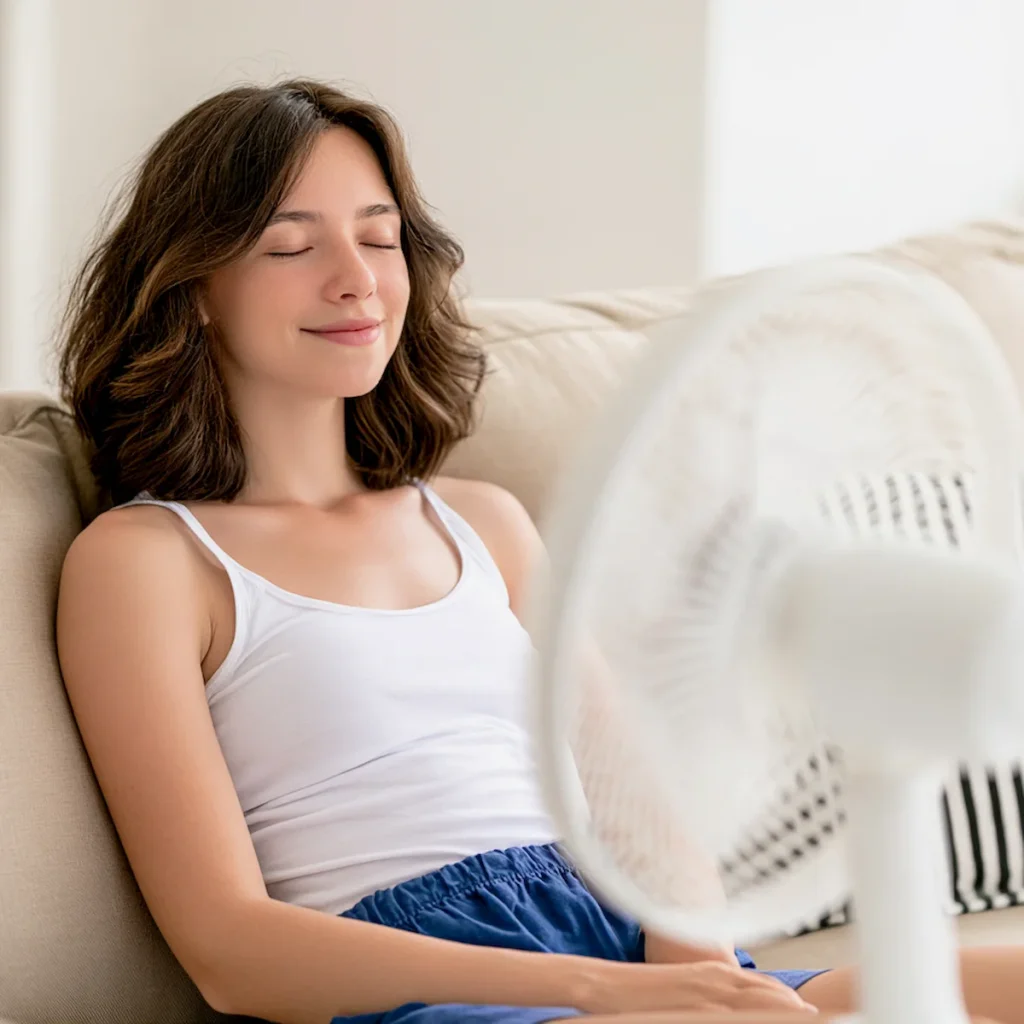
When the AC is out, close the blinds on sunny windows, run the ceiling and box fans, drink plenty of water, and spend time on the lowest floor of the house. Check on older neighbors and keep pets cool. United Way’s 2-1-1 line can point you to local cooling or warming centers if your home becomes unsafe.
Preventing the Next After-Hours Failure
Many breakdowns start as small problems that build under heavy use. Seasonal tune-ups, done before the cooling and heating seasons, give a technician the chance to catch worn parts, dirty components, and drainage issues before the first heat wave or cold snap. Learn about our maintenance plans, or read about furnace repair and AC repair in St. Louis.
Consider Contacting Us Today
When your heat or AC fails, you want a real person on the phone, not a call center. At Thomas Hoffmann Air Conditioning & Heating, a St. Louis dispatcher answers 24 hours a day, 7 days a week, and no appointment is needed for emergencies. Tom Hoffmann owns the business and stays directly involved in the work.
Call (314) 471-7625 anytime, or schedule service online for non-urgent needs.